Tools without a route
Software got purchased to “fix” a step. Nobody owns the whole journey from request to done. Handoffs leak. Exceptions become the job.

Technology & automation consulting
We map how work actually moves through your company — then design and build the automations, integrations, and internal tools that make it run without you in the middle.
The problem
The stack grew. Slack, a CRM, three spreadsheets, a form tool, a person who “just knows.” Work still travels by inbox and memory. Adding AI on top of that doesn’t clear the trail. It hides it.
Software got purchased to “fix” a step. Nobody owns the whole journey from request to done. Handoffs leak. Exceptions become the job.
A slide deck names the bottleneck. Then it waits on a vendor, an IT queue, or a future hire. The path stays theoretical.
Zaps fire, bots draft, dashboards multiply. If the underlying process is muddy, you just move the mess faster.
What we do
ClearPath Strategic is not a staffing firm and not a software reseller. We sit with operators, trace the real workflow — including the unofficial one — and then implement the smallest system that makes that work reliable.
If a rules engine will do, we don’t dress it up as AI. If a custom internal tool is cheaper than another SaaS seat, we say so. If the answer is to stop doing a step, we put that in the plan too.
Engagements
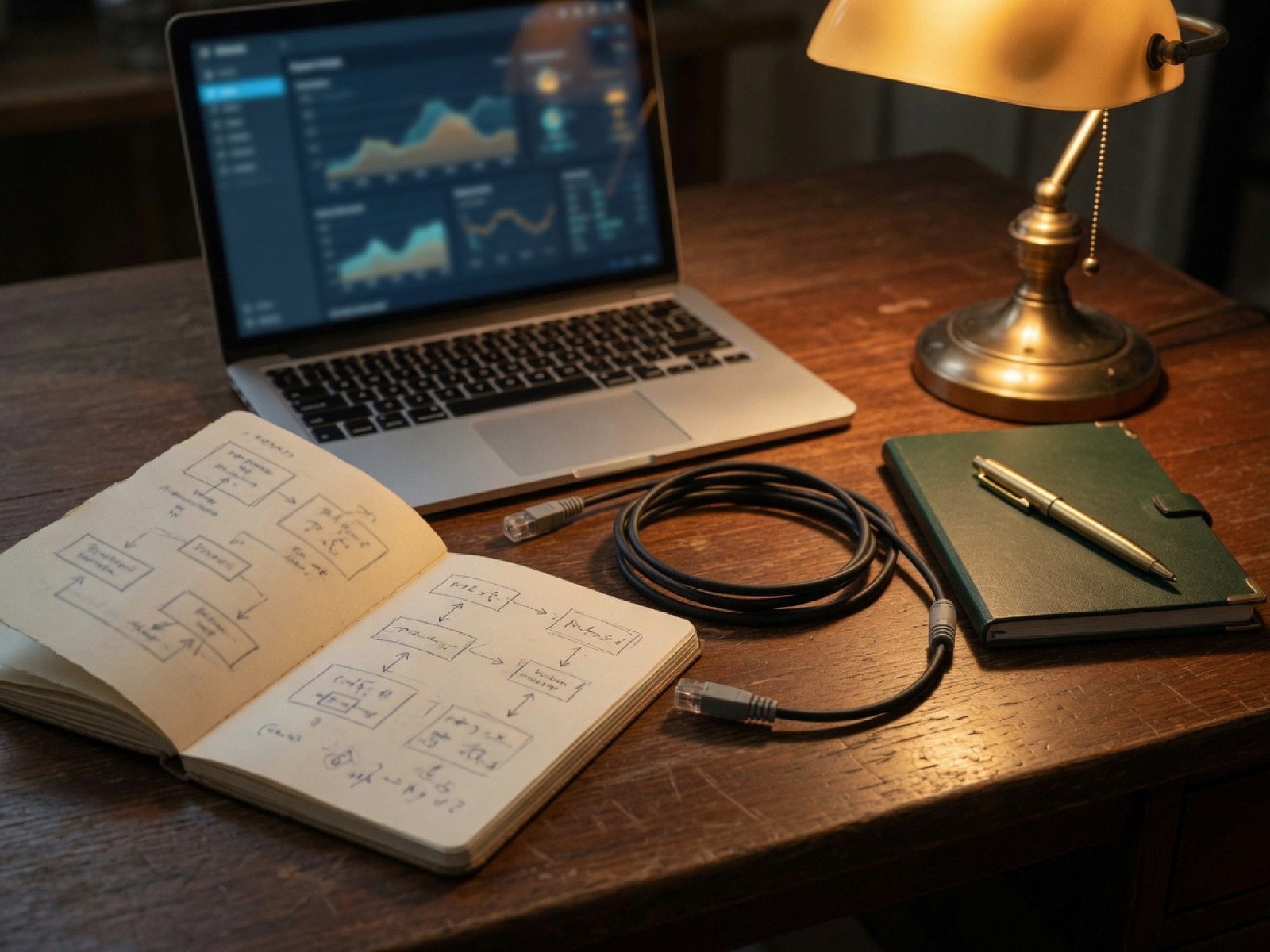
A time-boxed map of how work moves today: the tools, the handoffs, the rework, and the three to five moves that would actually matter.
You leave with a written path — not a pitch deck of options.
We implement the path: integrations, workflow automation, lightweight internal apps, and applied AI only where it beats a simple rule.
Shipped in slices. Tested against the real work, not a demo.
A standing owner for the operating stack. New requests get a route. The map stays current. You don’t go back to tribal knowledge.
For teams that are past the first build and need a grown-up systems function.
Capabilities
Interviews, artifact review, and a plain-language diagram of how a job of work really gets done — including the unofficial path.
What to automate, what to kill, what to leave human, and in what order, with cost and risk attached to each move.
CRM, billing, inbox, ops tools, and the awkward things in between. Off-the-shelf when it holds. Custom when it doesn’t.
Small, durable apps so the spreadsheet can retire. Built for the people who will live in them, with a runbook attached.
Intake, classification, drafting, and extraction — used when it is cheaper or more accurate than a rules engine. Never as décor.
You keep credentials, code, and the map. We define the few numbers that prove the path is actually clear.
Fit
Good fit
Not a fit
How it starts
We don’t guess from a sales call. We look at the work, talk to the people who do it, and write down the path. If we shouldn’t be the ones to build it, we say that too.
The diagnostic is useful on its own. Build work is scoped from what it finds — not from a packaged “transformation.”
Next step
Tell us what keeps looping back to you. We’ll reply with whether a diagnostic is the right first move.